The Detroit Lions’ longstanding policy toward retired players is once again the source of controversy for the team.
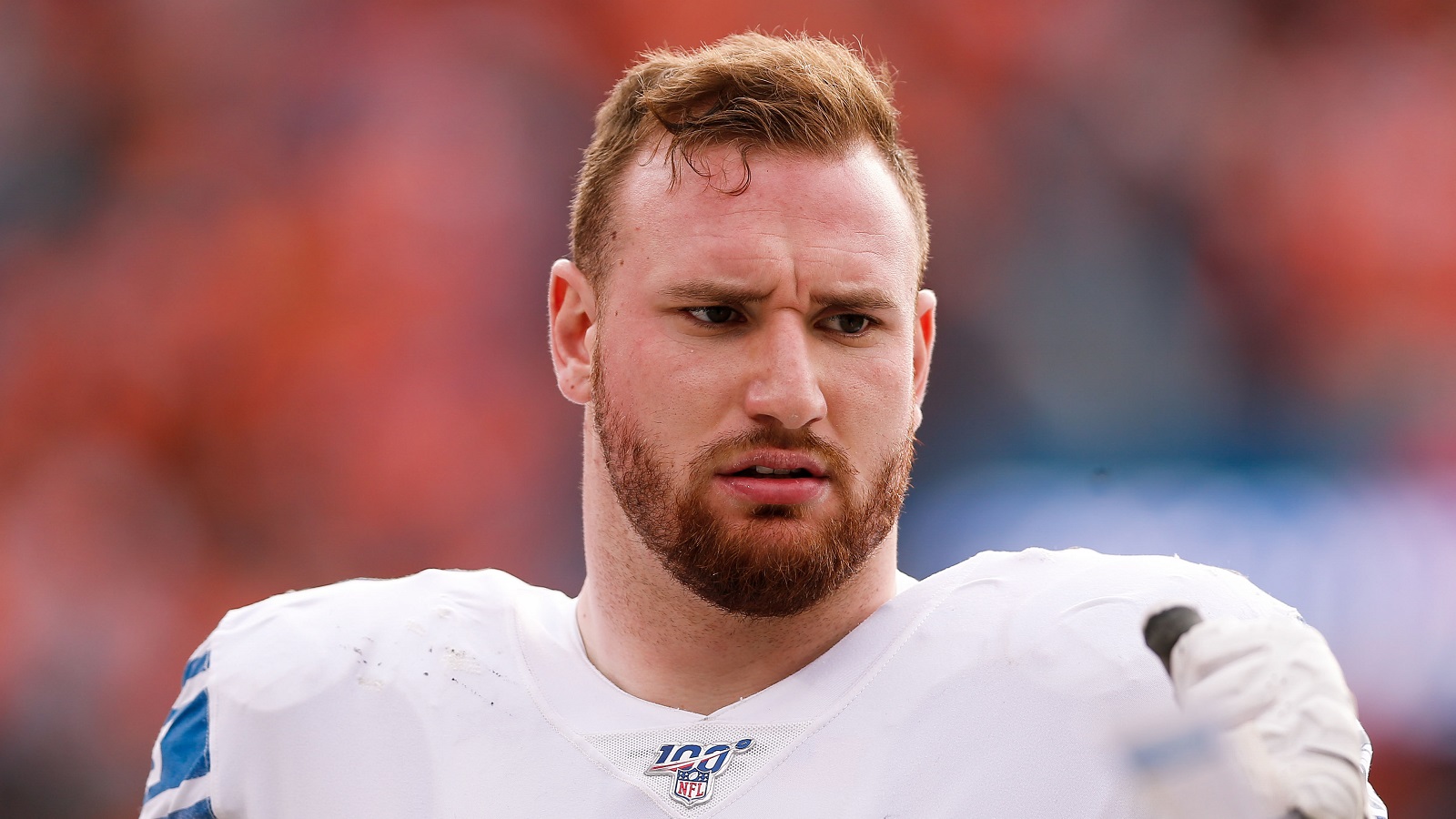
Lions president Rod Wood confirmed that the organization asked center Frank Ragnow to pay back part of his $6 million signing bonus when he retired. Wood said this was a team policy that dates back to the Barry Sanders era.
“Our precedent goes all the way back to Barry Sanders,” Wood told Dave Birkett of the Detroit Free Press. “And if Barry Sanders paid back money. … And I think the reality is, they’re not paying back their money, they’re returning our money. Cause they were paid in advance for services that they hadn’t completed.”
That argument did not land with everyone. Ragnow retired last year in large part due to injuries, not because he simply did not want to play anymore. Linebacker Alex Anzalone, who left the Lions this offseason, listed off many of Ragnow’s injuries and criticized the organization for their stance.
Played through fractured throat, one week post meniscus clean up w/ stitches barely out, inoperable/unrepairable toe, etc.. “Hey let me get that prorated signing bonus back” 😂😂😂
— Alex Anzalone (@AlexAnzalone34) March 31, 2026
Do business as business is being done https://t.co/itr9jxhrqP
In a lengthy post, longtime Eagles offensive lineman Jason Kelce said it was “bull—-” that the Lions asked Ragnow for money back, since it “wasn’t just some player deciding he didn’t want to play anymore.”
This is interesting. It feels like it’s obvious that Frank retired because he was physically fighting through injuries and pain, and it got to a point that he no longer could play the game in an enjoyable, effective, or healthy way.
— Jason Kelce (@JasonKelce) March 31, 2026
The whole purpose of a signing bonus is to… https://t.co/pvjgvLrsA0
The Lions’ policy goes back decades to when they asked Sanders for money back after his abrupt retirement. The team did the same with Calvin Johnson when he retired, and Johnson specifically cited it as the primary reason his relationship with the organization was chilly for several years. Sanders was also alienated by the team’s request at the time, though both players have since reconciled with the franchise.
From a strictly business perspective, one can understand the Lions’ stance. However, the policy has a history of alienating players and bringing the organization bad PR. That apparently is not enough to get them to reconsider.